PUERTO RICO
Puerto Rico is a Caribbean island between the Caribbean Sea and the North Atlantic Ocean, east of the Dominican Republic. The island is located about 1,000 miles (1,600 km) southeast of Miami, Florida.
Taino Indians who inhabited the territory called the island Boriken or Borinquen, which means “the great land of the valiant and noble Lord” or “land of the great lords.” Today this word, even in various modifications, is still popularly used to designate the people and island of Puerto Rico. The Taino Indians, who came from South America, inhabited the major portion of the island when Spaniards arrived. In 1492, Ferdinand and Isabela from Spain signed the agreement to finance and set the terms of sending Christopher Columbus to the Indies. The first sighting of land came at dawn on October 12. After the success of the first voyage, a second one was planned, and on November 19, 1493, Christopher Columbus discovered Puerto Rico.
The people of Puerto Rico represent a cultural and racial mix. Besides the slaves imported from Africa (Sudan, Kongo, Senegal, Guinea, Sierra Leona and the Gold, Ivory and Grain coasts) under the Spaniards, other ethnics groups brought to work on the plantations joined the island’s mix of races. When the United Sates acquired the island in 1898, American influence was added to culture. During the mid-19th century, labor was needed to build roads. Initially, Chinese workers were imported for this task, followed by workers from such countries as Italy, France, Germany and even Lebanon.
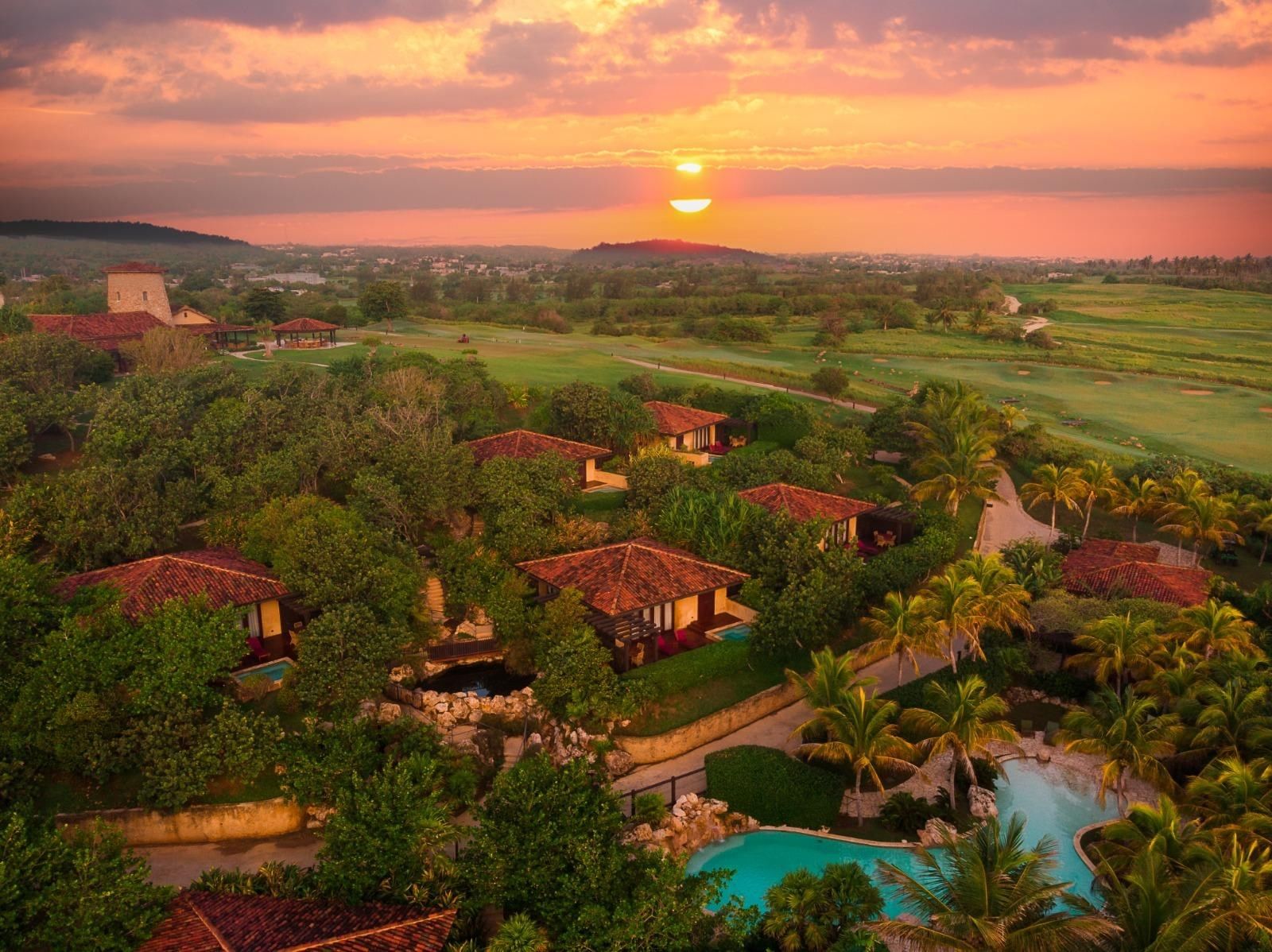
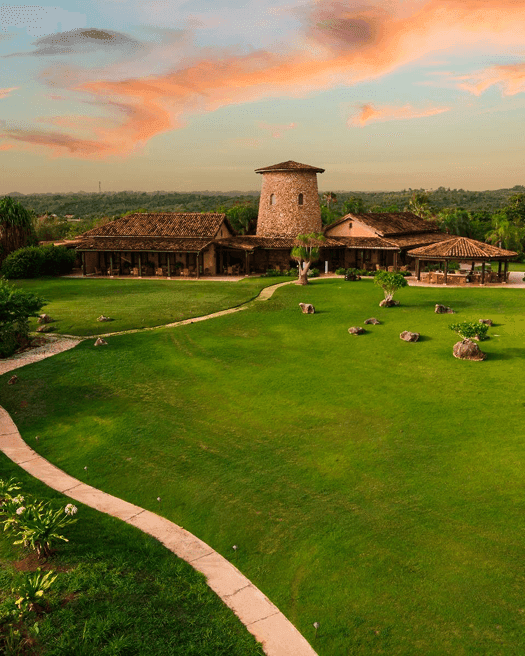
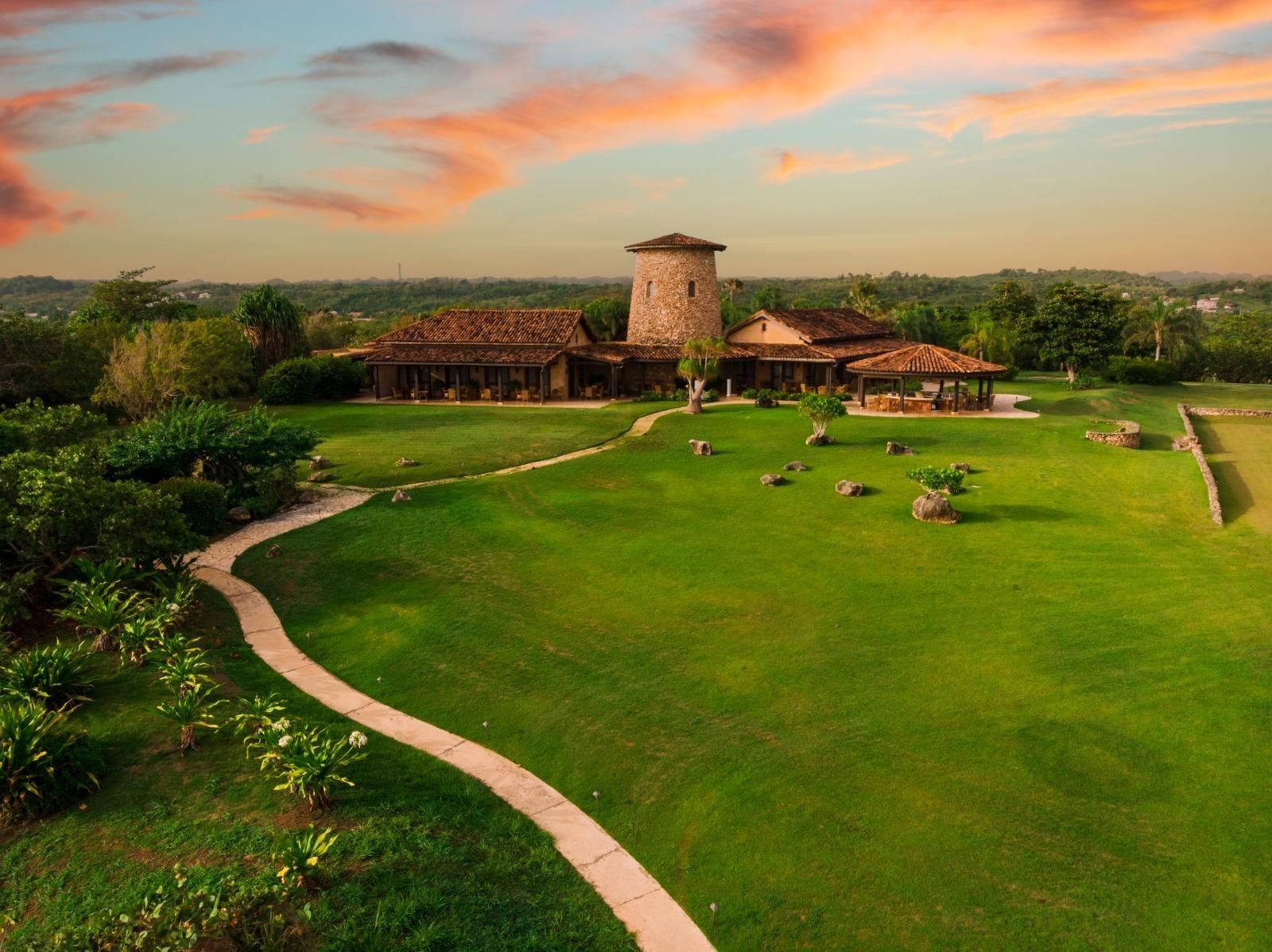
Today, this mix of culture can be perceived in the island’s architecture, which mixes Spanish colonial with ultra modern, shown in the abundance of North American-style.
Puerto Ricans are known for their warm hospitality. They are often considered very friendly and expressive to strangers, and their greetings are cordial and genuine.
Puerto Rico is a territory (Commonwealth) of the United States of America, and Puerto Ricans have common citizenship, currency and defense. Puerto Rico is known to be a modern progressive and civilized vacation spot. Everything that the Caribbean has to offer can be found in Puerto Rico.
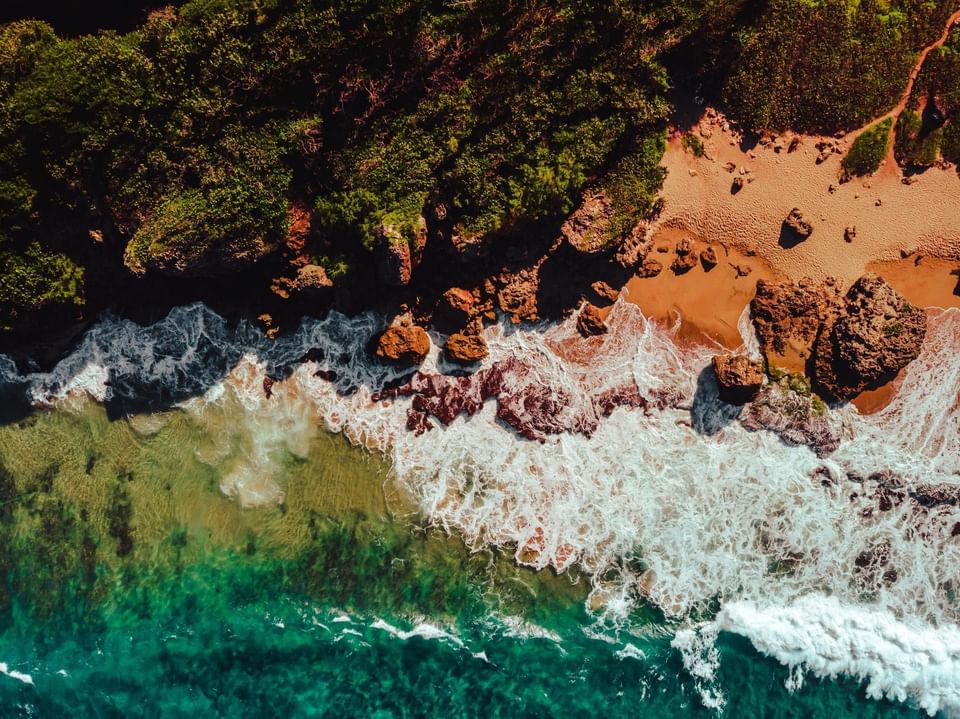
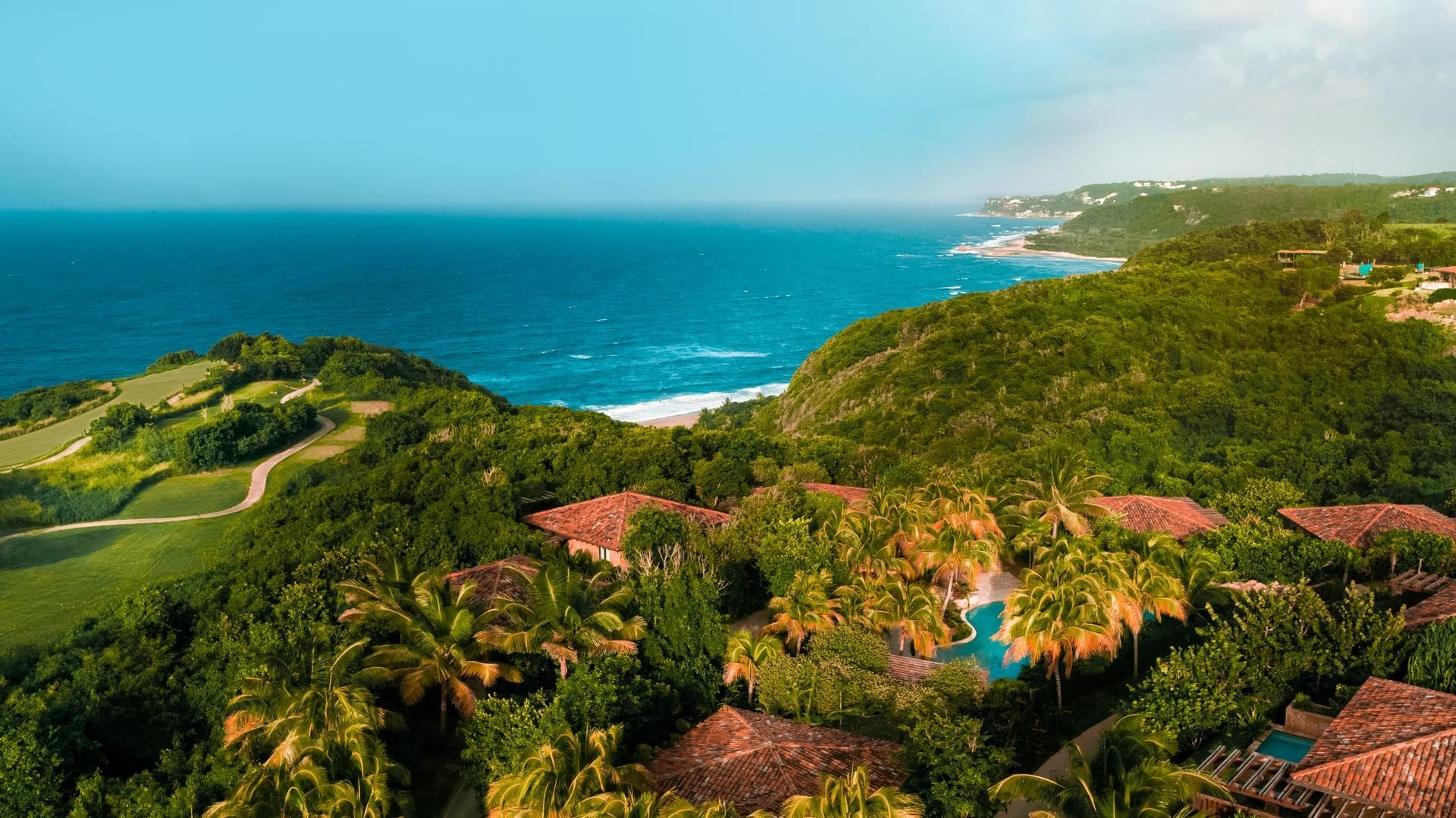
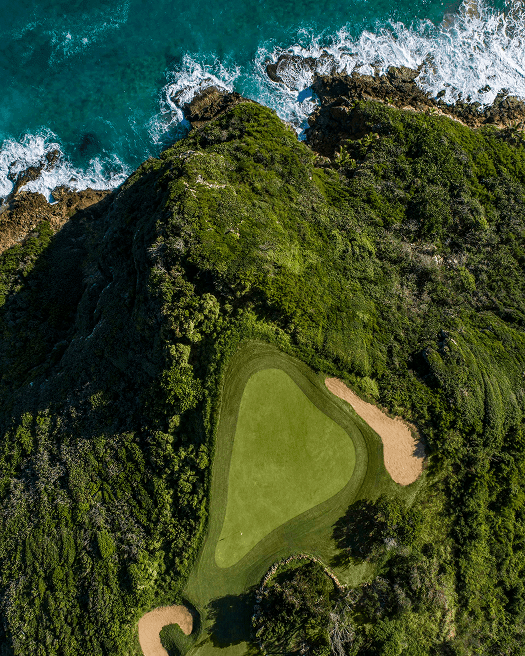
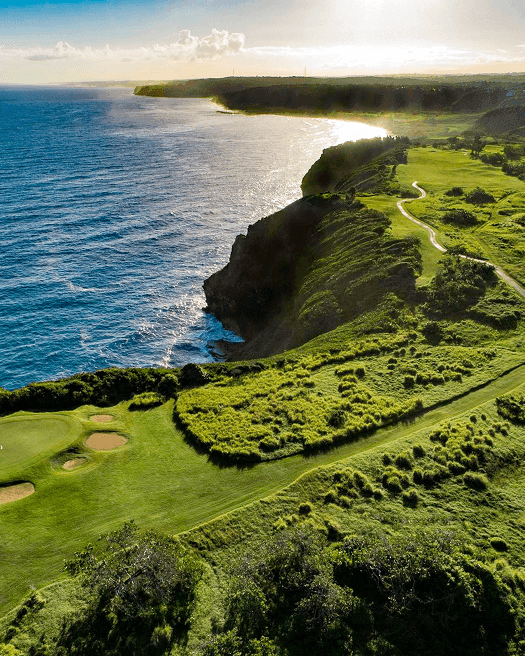
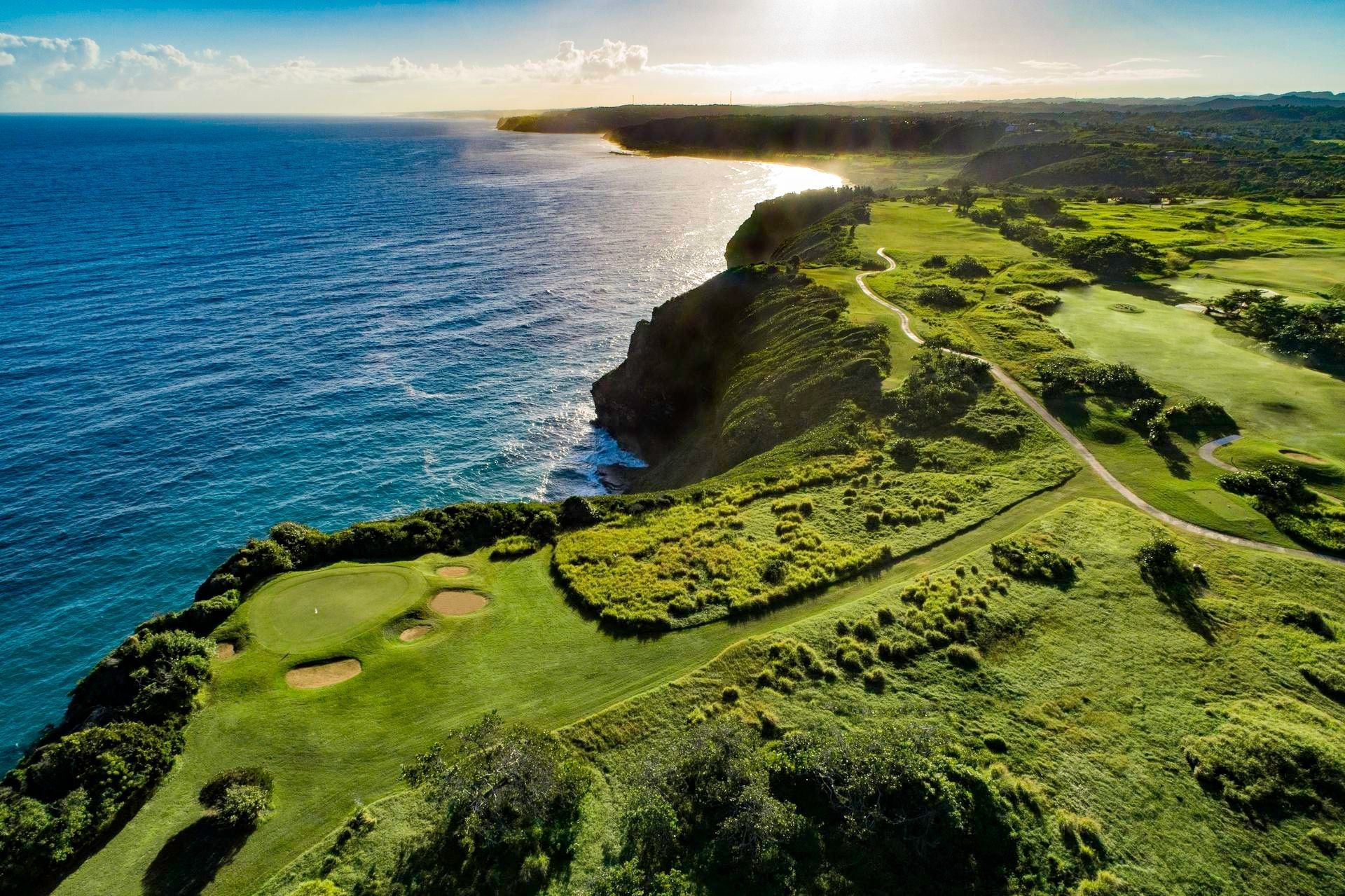
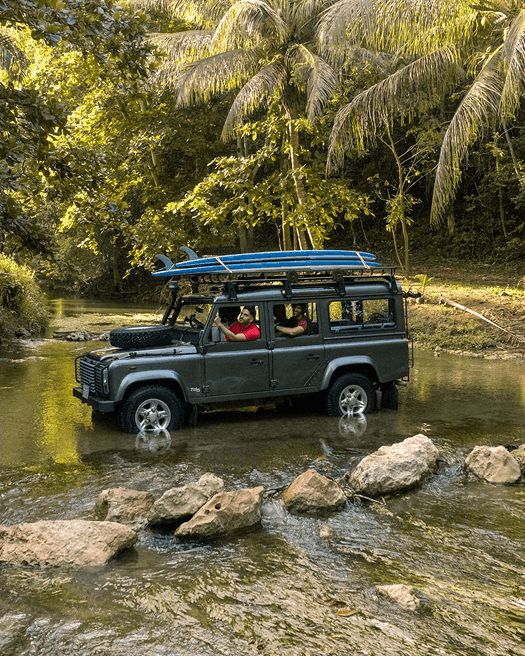
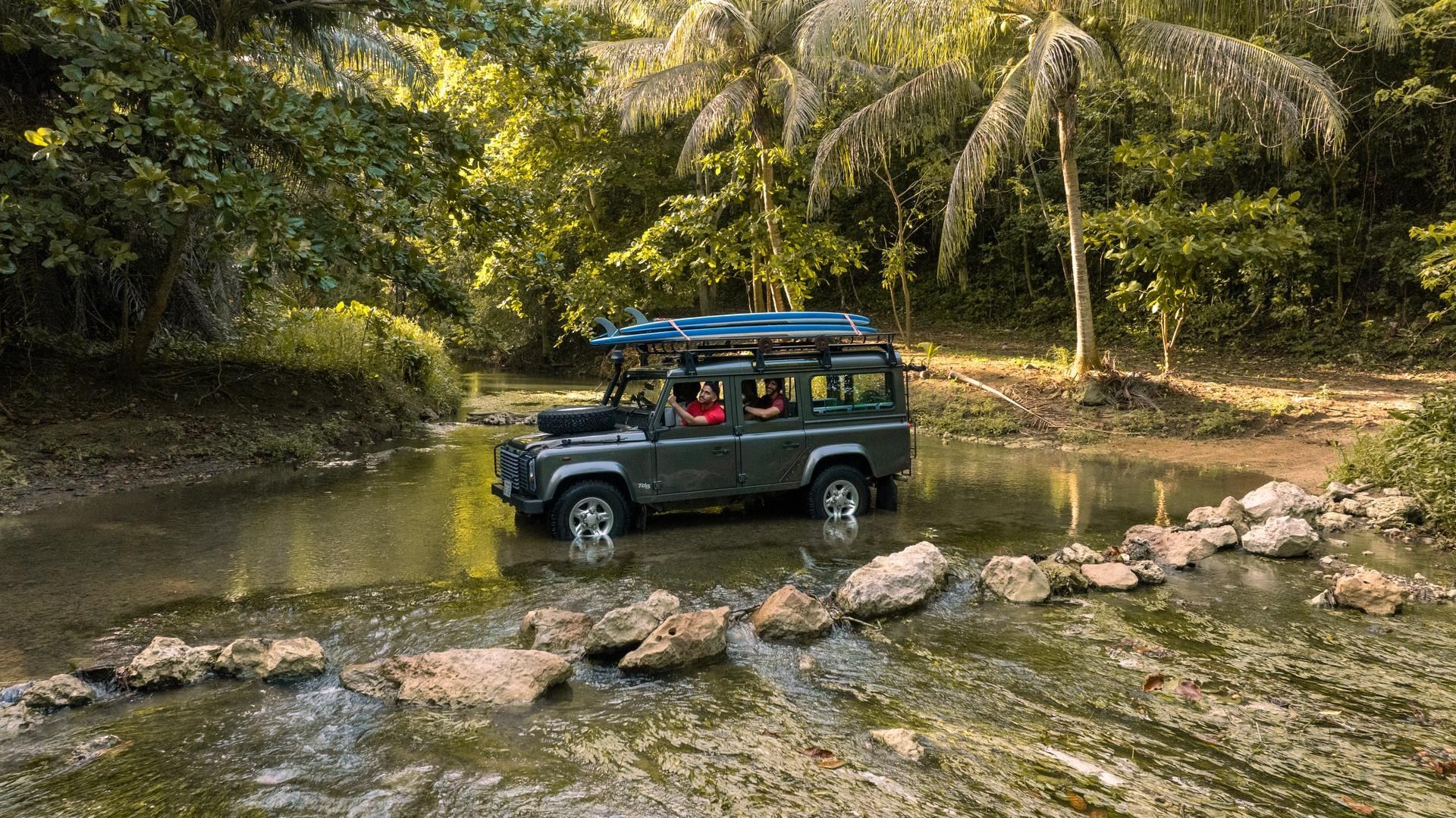
The island of Puerto Rico is almost rectangular in shape, and it is the smallest and most eastern island of the Greater Antilles. The territory is very mountainous (60%), except in the regional coasts, but it offers astonishing variety: rainforests, deserts, beaches, caves, oceans and rivers. It comprises three main physiographic regions: the mountainous interior, the coastal lowlands and the karst area.
Puerto Rico is home to the Peak of the Caribbean, El Yunque Rainforest, where more than 100 billion gallons of rain fall each year, creating a lush forest with plants of incredible proportion and variety. It boasts some of the most important caves in the western hemisphere, forming the third largest subterranean river in the world, the largest number of bird species and several thousand varieties of tropical plants.
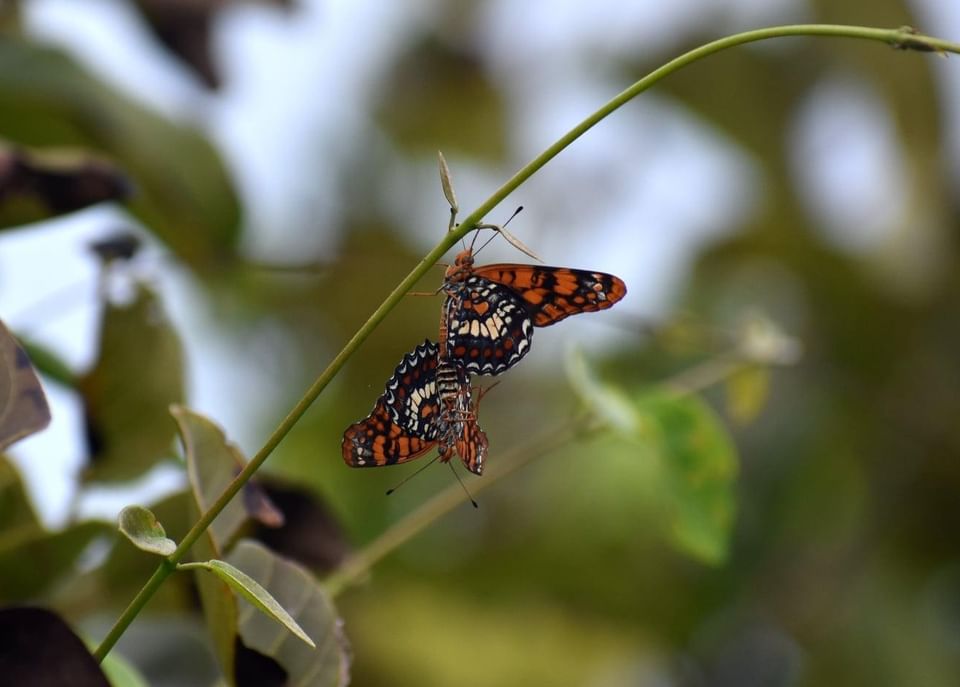
There are a few animals that are native to the island. Found almost nowhere else in the world, the coquí and the Puerto Rican Parrot ("Amazona vittata" or "cotorra puertorriqueña") live only in a few hidden areas of the Caribbean National Forest. Barracuda, kingfish, mullet, Spanish mackerel, tuna, lobster and oysters are among the many fish inhabiting coastal waters.