History of Isabela

ISABELA

Isabela is a municipality of Puerto Rico. It is located in the northwestern region of the island, approximately 65 miles from San Juan International Airport and approximately 10 miles from Aguadilla International Airport.

Isabela Train Tunnel
Guajataca Train Tunnel

Isabela is spread over 13 wards and Isabela Pueblo, the downtown area and administrative center of the city. Isabela is a principal city of the Aguadilla-Isabela-San Sebastián Metropolitan Statistical Area.

The municipality is known as El Jardin del Noroeste or "the Garden of the Northwest" because of the many wild flowers among its landscape. The region was first settled by Spaniards in the late 1700s, and the municipality of Isabela was named in honor of Queen Isabel of Spain in 1819.

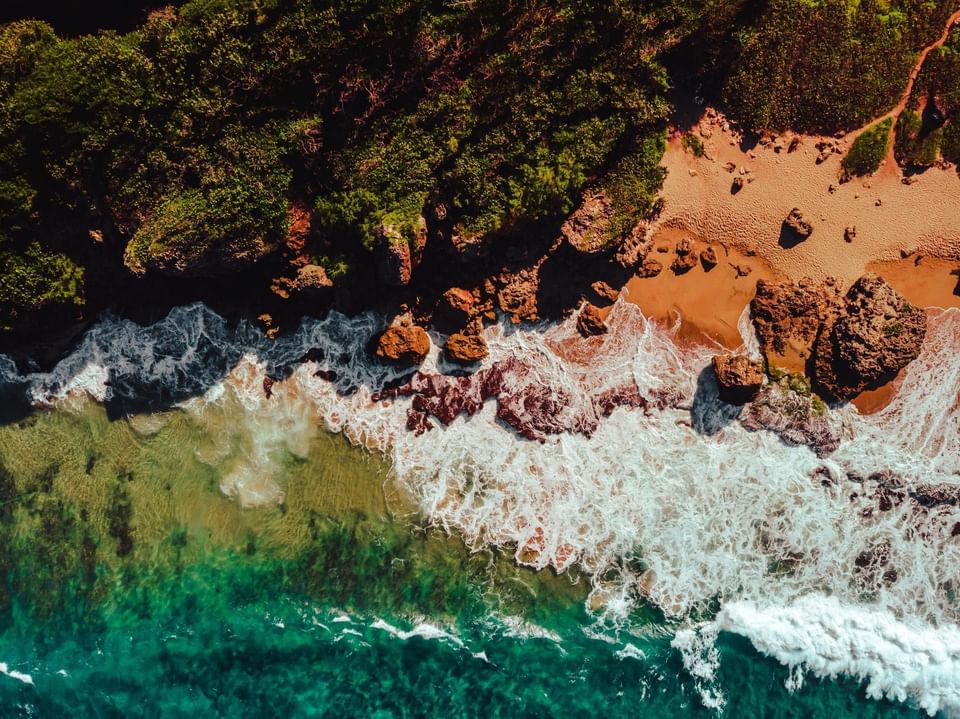
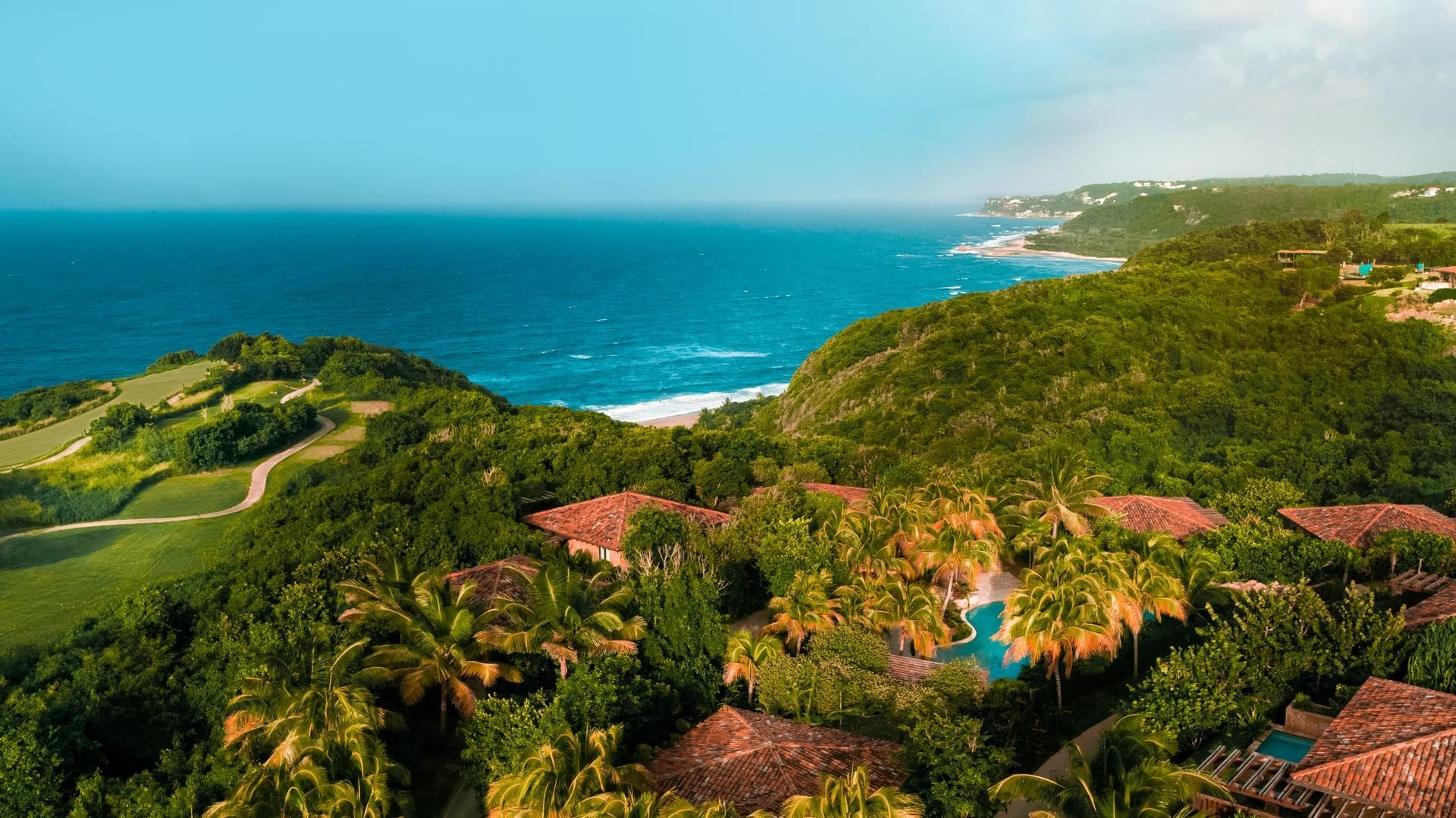
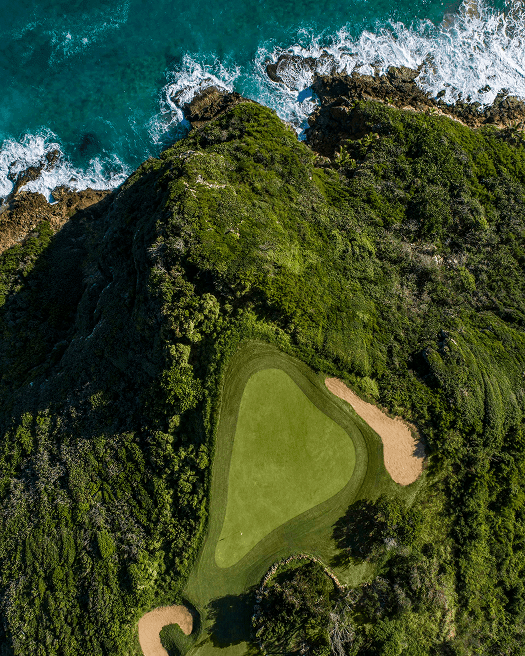
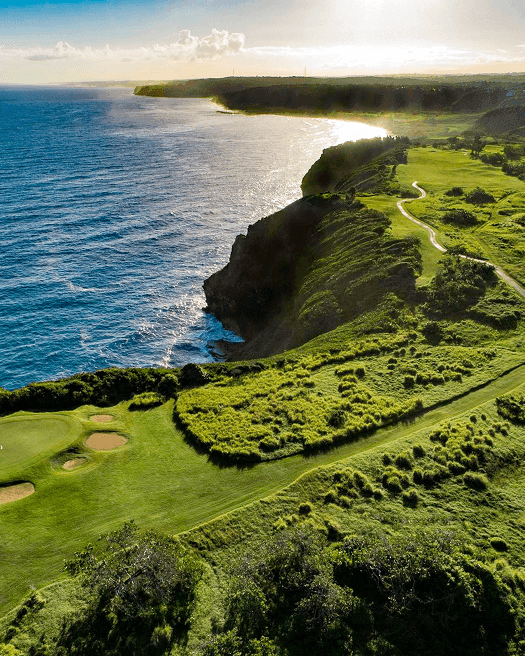
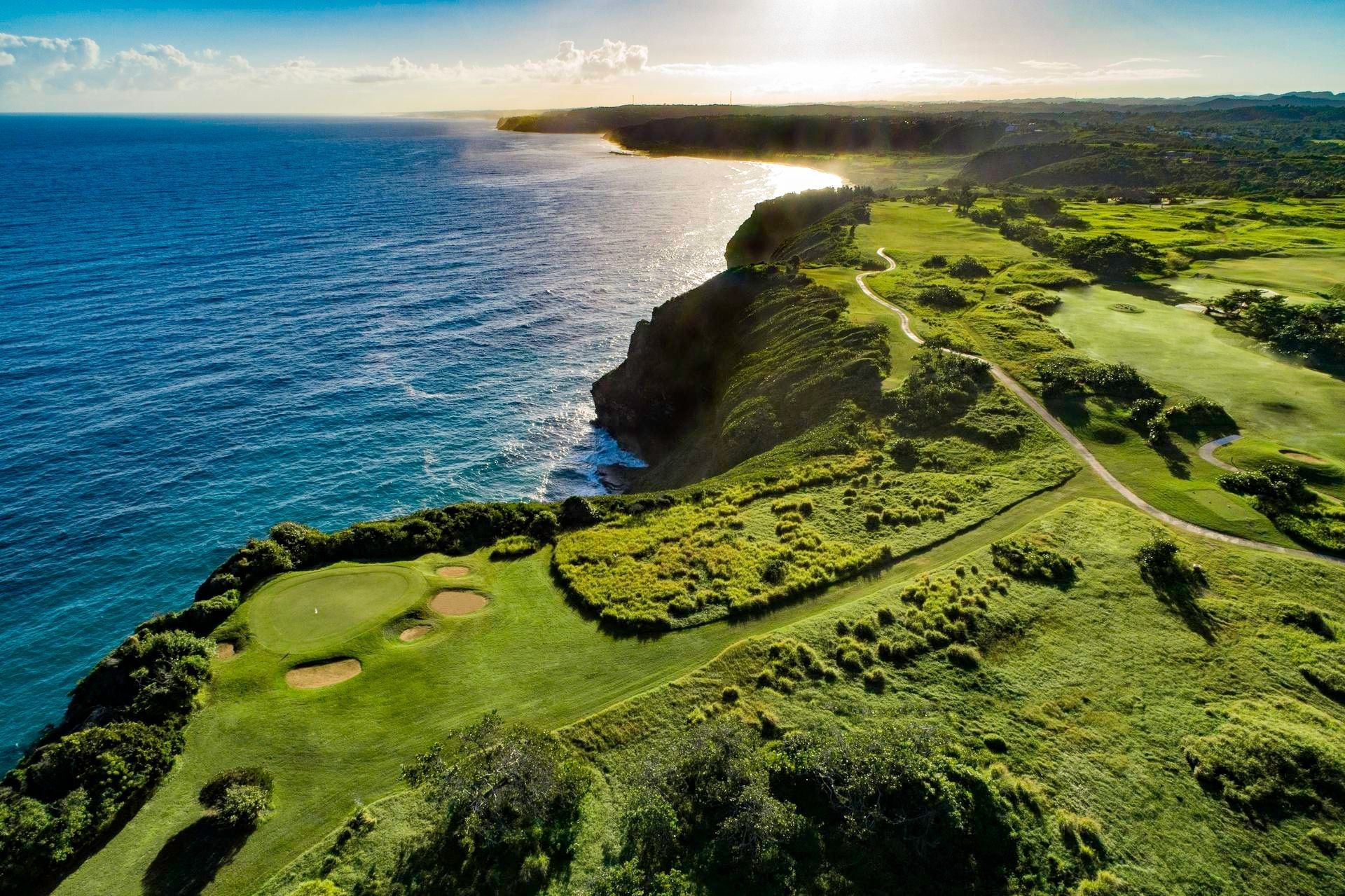
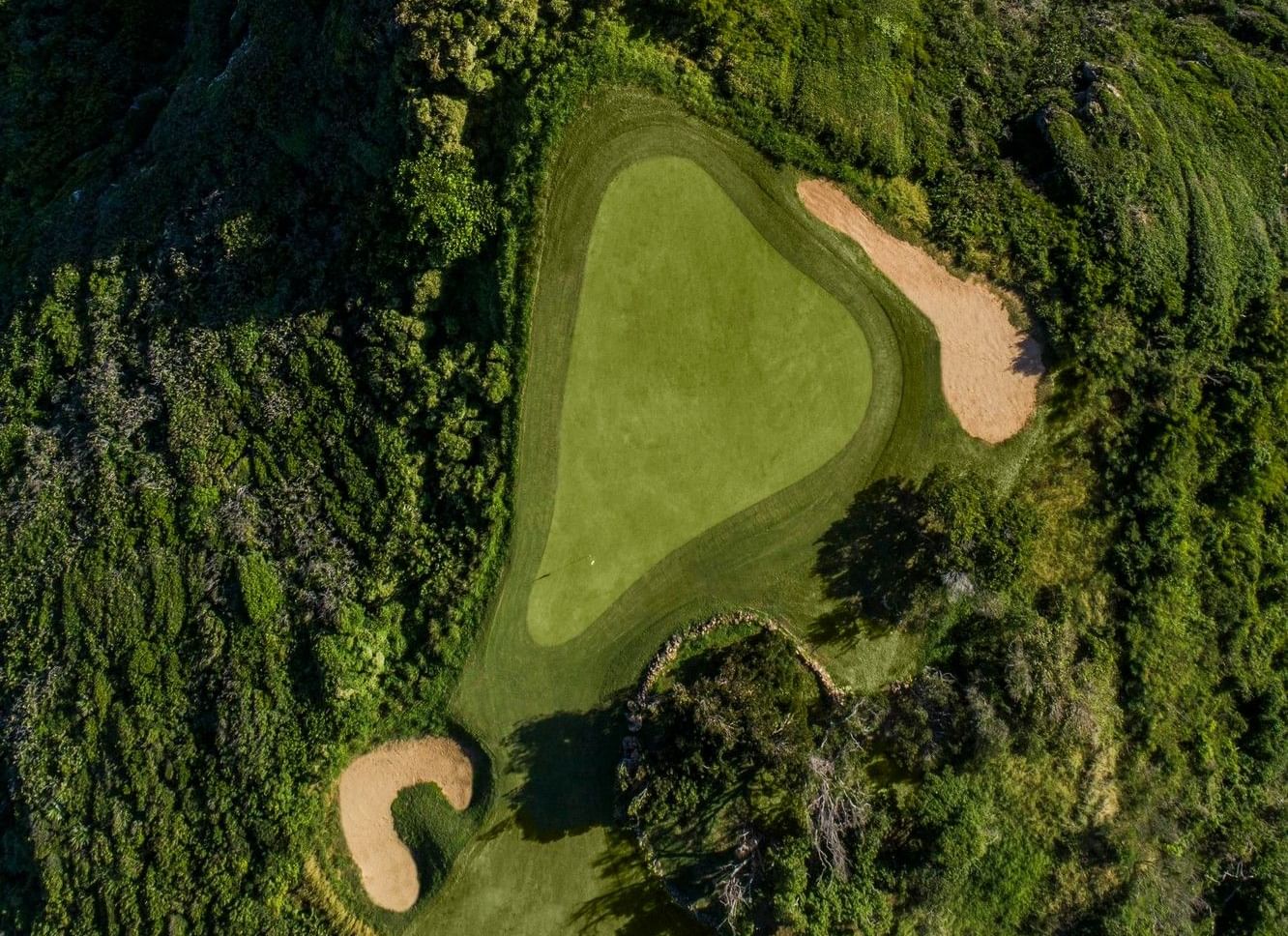
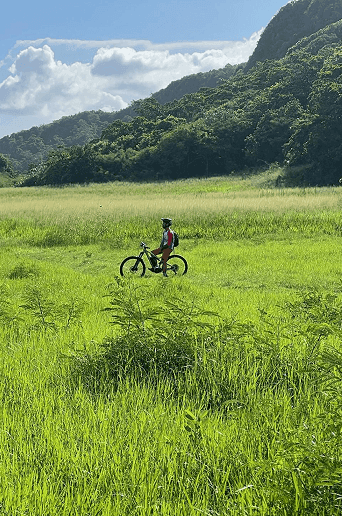
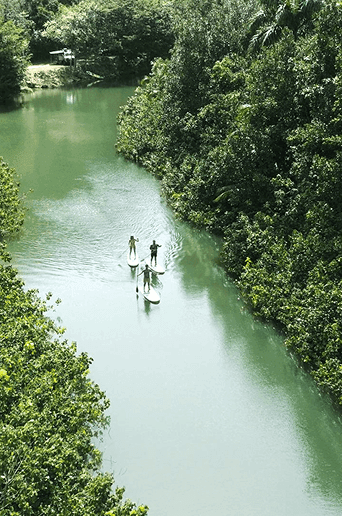
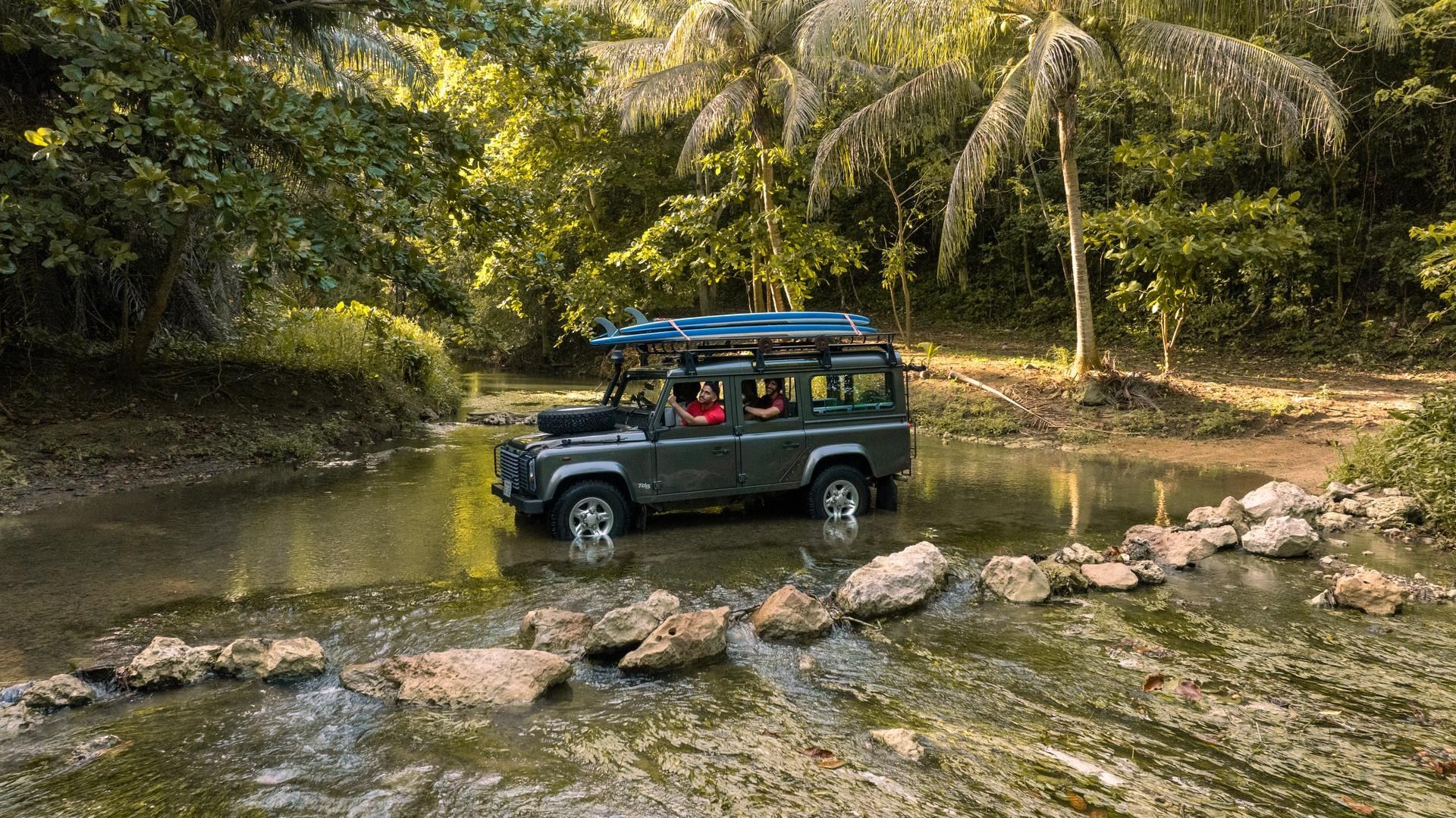
It could be said that Isabela is somewhat of a hybrid town. It comprises the rarity of being a coastline city with beaches, but it is also known for its mountains (with peaks of over 1,000 ft/300 m above sea level), rivers (surface and submarine), lakes, caves (surface and submarine), cliffs, coastal flats and forests (tropical and mangroves). The cultivation of sugar cane, coffee, tobacco, cotton, yuca, coconuts and fruits was stimulated further during the 18th century. Ever since, Isabela has continued to flourish.

Indian Face
Mabodamaca Carved Face

Isabela is also well known for:

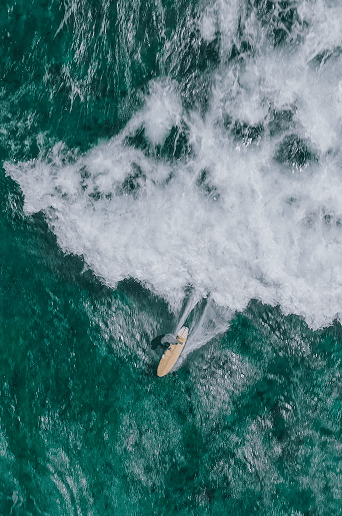
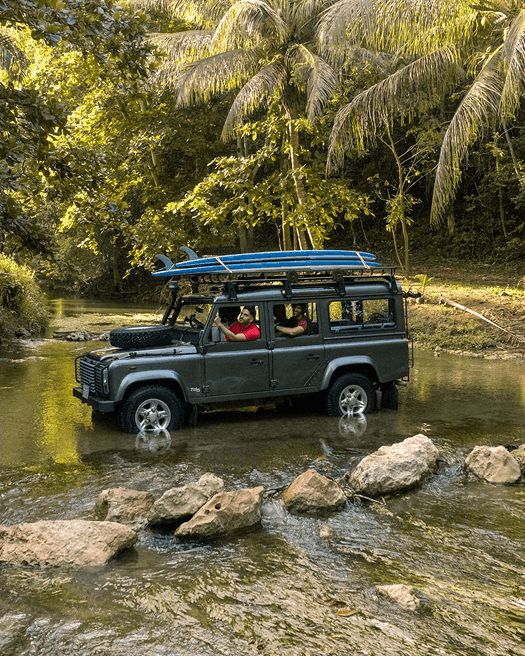
- World-class surfing spots. It was the host site for two World Cup Surfing Championships in the 20th century.

- Fine Step Horses ("Caballos de Paso Fino") as well as world-class board, wind and kite surfing spots.

- Hosting one of the best hiking trails in the Caribbean, at the Guajataca Forest, which is the largest hiking trail system of Puerto Rico. It encompasses 27 miles (44 km) of trails, offering an excellent opportunity to appreciate the flora and fauna of this unique habitat. All 46 trails are in their natural stages, well maintained, designed for foot travel only and were outlined by the Civilian Conservation Corps between the 1930s and 1940s.